



OPENTYPE FEATURES
ABOUT
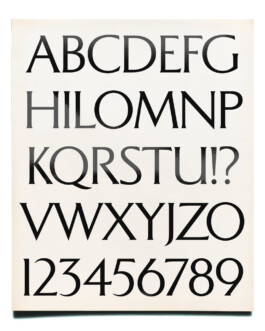
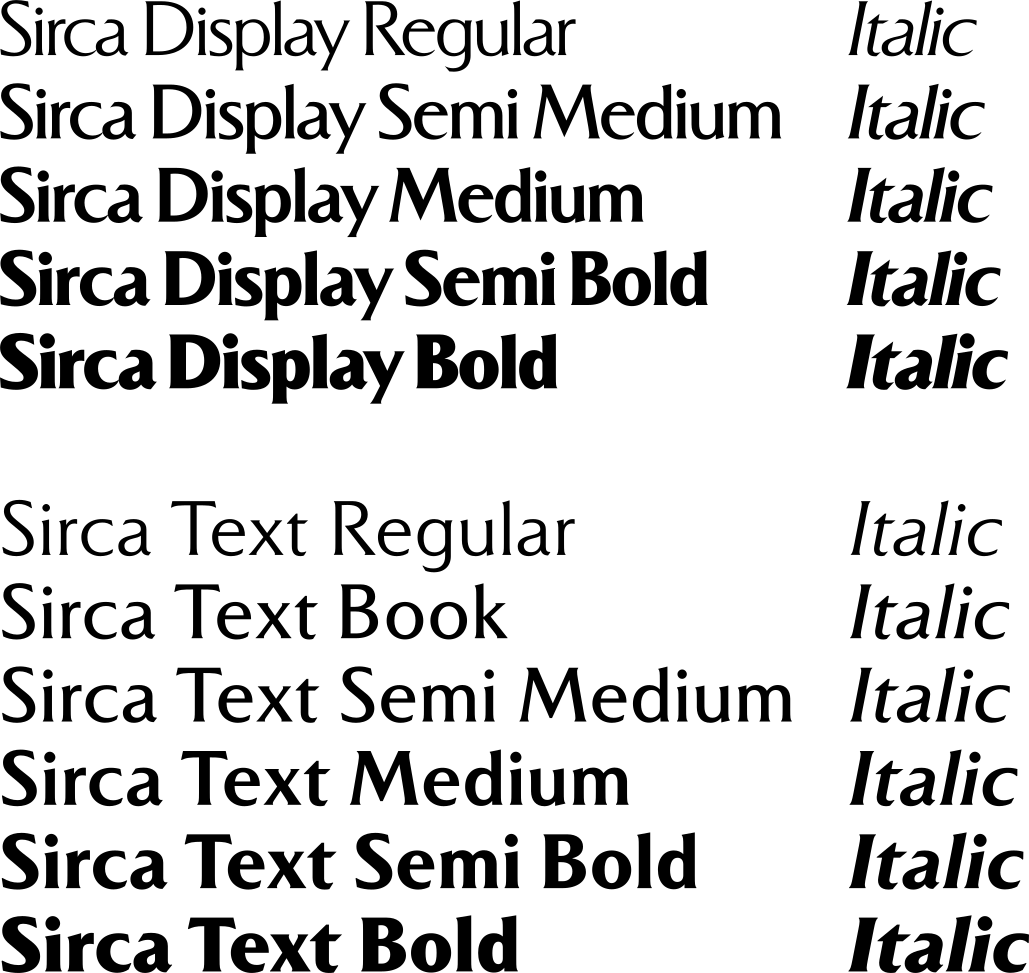
Sirca distills Walter Käch’s serif experiments into a contemporary type system. Rooted in a critical re-reading of his mid-century letterforms, the family spans 22 styles across Display and Text, with matching italics throughout, balancing typographic clarity with subtle warmth.
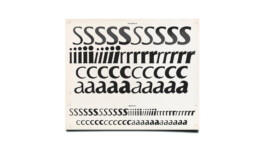
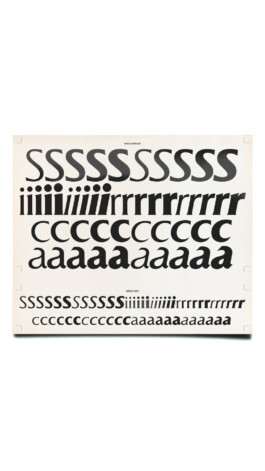
Käch’s models stood at the intersection of geometric construction and humanist gesture, a dialogue that Sirca reopens through a contemporary lens. Across the family, the same underlying serif structure is maintained throughout, an uncommon choice that gives Sirca its distinctive and cohesive tone. As the weights increase, mass is drawn inward, producing denser, more compact forms that echo the condensed display types of the late ’60s phototype era.
The Text styles carry the same underlying structure into continuous reading. Their forms are more open, their weight more evenly distributed, and their details more robust, with proportions carefully harmonised to produce a consistent text colour and a steadier reading rhythm.
While the Display styles preserve the timeless grace and expressive character of their historical sources, the Text styles translate the same DNA into a quieter, more durable texture. Together, they form a genre-blending system: classic yet vivid, crafted for editorial design, titles, logotypes, and extended reading.
A design shaped by the past, sharpened for the century ahead.
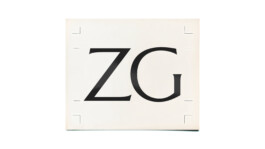
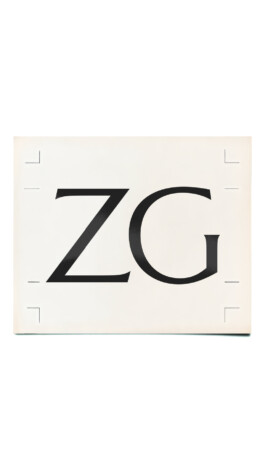
[Käch’s original models were first published in 1949 in the trilingual book Schriften, Lettering, Écritures.]
TECHNICAL INFORMATION
Typeface: Sirca
Classification: Glyphic
Design: Alan Madić
Design Period: 2024–2026
Production: Solenn Bordeau
Spacing & Kerning: Igino Marini
Latest Update: 2026
Styles: 22
Subfamilies: Display / Text
Display (10 styles)
Display Regular
Display Regular Italic
Display Semi Medium
Display Semi Medium Italic
Display Medium
Display Medium Italic
Display Semi Bold
Display Semi Bold Italic
Display Bold
Display Bold Italic
Text (12 styles)
Text Regular
Text Regular Italic
Text Book
Text Book Italic
Text Semi Medium
Text Semi Medium Italic
Text Medium
Text Medium Italic
Text Semi Bold
Text Semi Bold Italic
Text Bold
Text Bold Italic
Glyphs per Style: 385
Formats: OTF, WOFF, WOFF2
OPENTYPE FEATURES
Access All Alternates (aalt)
Case-Sensitive Forms (case)
Discretionary Ligatures (dlig)
Localized Forms (locl)
Oldstyle Figures (onum)
SUPPORTED LANGUAGES
Abenaki, Afaan Oromo, Afar, Afrikaans, Albanian, Alsatian, Amis, Anuta, Aragonese, Aranese, Aromanian, Arrernte, Arvanitic, Asturian, Aymara, Bashkir, Basque, Bikol, Bislama, Bosnian, Breton, Cape Verdean, Catalan, Cebuano, Chamorro, Chavacano, Chickasaw, Cimbrian, Cofan, Corsican, Creek, Crimean Tatar, Croatian, Czech, Danish, Dawan, Delaware, Dholuo, Drehu, Dutch, English, Estonian, Faroese, Fijian, Filipino, Finnish, Folkspraak, French, Frisian, Friulian, Gagauz, Galician, Genoese, German, Gooniyandi, Greenlandic, Guadeloupean, Gwichin, Haitian Creole, Han, Hawaiian, Hiligaynon, Hopi, Hotcak, Hungarian, Icelandic, Ido, Ilocano, Indonesian, Interglossa, Interlingua, Irish, Istroromanian, Italian, Jamaican, Javanese, Jerriais, Kaingang, Kala Lagaw Ya, Kapampangan, Kaqchikel, Karakalpak, Karelian, Kashubian, Kikongo, Kinyarwanda, Kiribati, Kirundi, Klingon, Kurdish, Ladin, Latin, Latino Sine, Latvian, Lithuanian, Lojban, Lombard, Low Saxon, Luxembourgish, Makhuwa, Malay, Maltese, Manx, Maori, Marquesan, Meglenoromanian, Meriam Mir, Mirandese, Mohawk, Moldovan, Montagnais, Montenegrin, Murrinhpatha, Nagamese Creole, Ndebele, Neapolitan, Ngiyambaa, Niuean, Noongar, Norwegian, Novial, Occidental, Occitan, Oshiwambo, Ossetian, Palauan, Papiamento, Piedmontese, Polish, Portuguese, Potawatomi, Qeqchi, Quechua, Rarotongan, Romanian, Romansh, Rotokas, Sami Lule, Sami Southern, Samoan, Sango, Saramaccan, Sardinian, Scottish Gaelic, Serbian, Seri, Seychellois, Shawnee, Shona, Sicilian, Silesian, Slovak, Slovenian, Slovio, Somali, Sorbian Lower, Sorbian Upper, Sotho Northern, Sotho Southern, Spanish, Sranan, Sundanese, Swahili, Swazi, Swedish, Tagalog, Tahitian, Tetum, Tok Pisin, Tokelauan, Tongan, Tshiluba, Tsonga, Tswana, Tumbuka, Turkish, Turkmen, Tuvaluan, Tzotzil, Ukrainian, Uzbek, Venetian, Vepsian, Volapuk, Voro, Wallisian, Walloon, Waraywaray, Warlpiri, Wayuu, Welsh, Wikmungkan, Wiradjuri, Xavante, Xhosa, Yapese, Yindjibarndi, Zapotec, Zulu, Zuni.
CHARACTER MAP
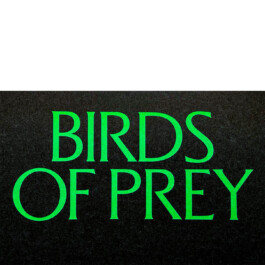
SIRCA IN USE


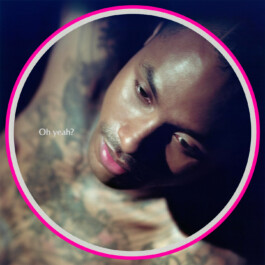
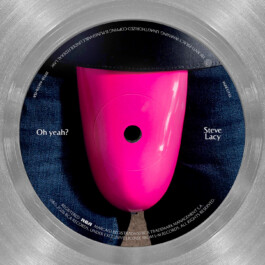
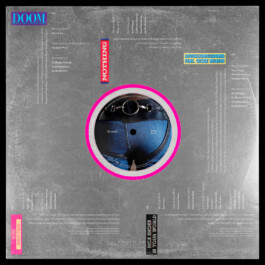
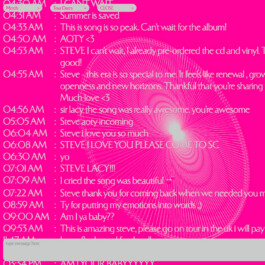
STEVE LACY – OH YEAH
DESIGN BY JOHN PATRIKAS, 2026
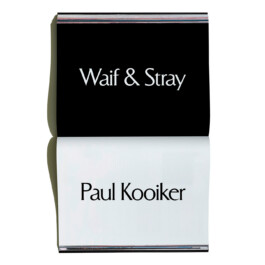
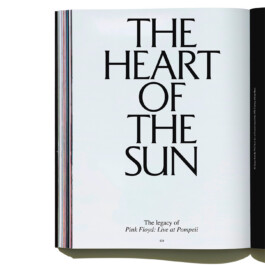
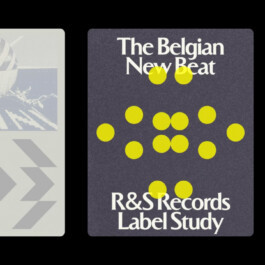
EPOCH MAGAZINE
ISSUE 4 "POMPEII", 2026
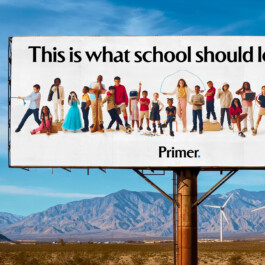
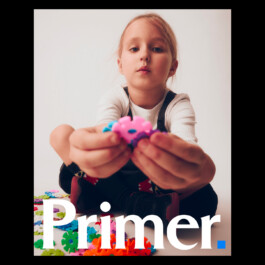
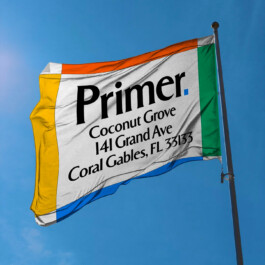
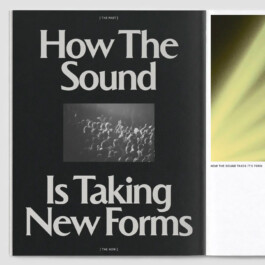
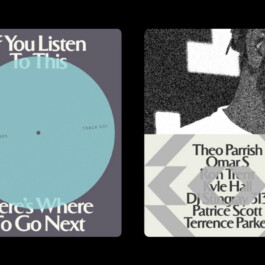
PRIMER
DESIGN BY NEWKID, 2026
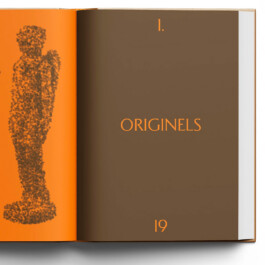
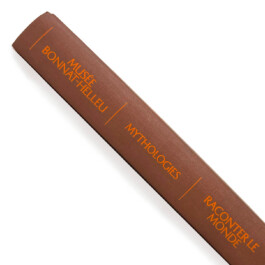
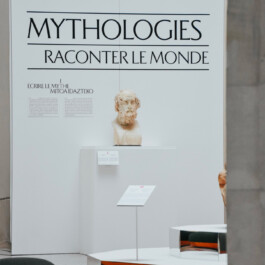
MYTHOLOGIES – MUSÉE BONNAT-HELLEU
DESIGN BY ATELIER PIERRE PIERRE, 2026


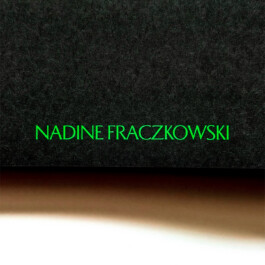
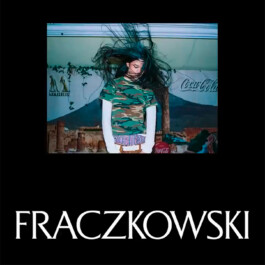
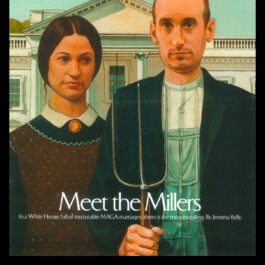
FINANCIAL TIMES WEEKEND MAGAZINE, 2026
BRAINSTORM
DESIGN BY STUDIO NARI, 2026
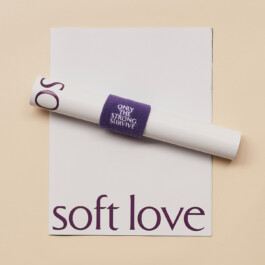
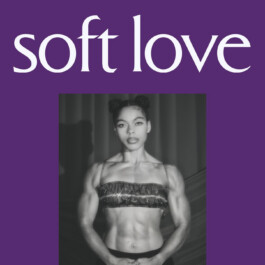
SOFT LOVE
DESIGN BY FFFORUM, 2026
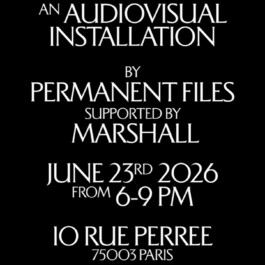
AUDIOVISUAL INSTALLATION
DESIGN BY PERMANENT FILES, 2026
TYPEFACES
INFORMATION
LICENSING
TRIALS


OPENTYPE FEATURES
ABOUT
Sirca distills Walter Käch’s serif experiments into a contemporary type system. Rooted in a critical re-reading of his mid-century letterforms, the family spans 22 styles across Display and Text, with matching italics throughout, balancing typographic clarity with subtle warmth.
Käch’s models stood at the intersection of geometric construction and humanist gesture, a dialogue that Sirca reopens through a contemporary lens. Across the family, the same underlying serif structure is maintained throughout, an uncommon choice that gives Sirca its distinctive and cohesive tone. As the weights increase, mass is drawn inward, producing denser, more compact forms that echo the condensed display types of the late ’60s phototype era.
The Text styles carry the same underlying structure into continuous reading. Their forms are more open, their weight more evenly distributed, and their details more robust, with proportions carefully harmonised to produce a consistent text colour and a steadier reading rhythm.
While the Display styles preserve the timeless grace and expressive character of their historical sources, the Text styles translate the same DNA into a quieter, more durable texture. Together, they form a genre-blending system: classic yet vivid, crafted for editorial design, titles, logotypes, and extended reading.
A design shaped by the past, sharpened for the century ahead.
[Käch’s original models were first published in 1949 in the trilingual book Schriften, Lettering, Écritures.]
TECHNICAL INFORMATION
Typeface: Sirca
Classification: Glyphic
Design: Alan Madić
Design Period: 2024–2026
Production: Solenn Bordeau
Spacing & Kerning: Igino Marini
Latest Update: 2026
Styles: 22
Subfamilies: Display / Text
Display (10 styles)
Display Regular
Display Regular Italic
Display Semi Medium
Display Semi Medium Italic
Display Medium
Display Medium Italic
Display Semi Bold
Display Semi Bold Italic
Display Bold
Display Bold Italic
Text (12 styles)
Text Regular
Text Regular Italic
Text Book
Text Book Italic
Text Semi Medium
Text Semi Medium Italic
Text Medium
Text Medium Italic
Text Semi Bold
Text Semi Bold Italic
Text Bold
Text Bold Italic
Glyphs per Style: 385
Formats: OTF, WOFF, WOFF2
OPENTYPE FEATURES
Access All Alternates (aalt)
Case-Sensitive Forms (case)
Discretionary Ligatures (dlig)
Localized Forms (locl)
Oldstyle Figures (onum)
SUPPORTED LANGUAGES
Abenaki, Afaan Oromo, Afar, Afrikaans, Albanian, Alsatian, Amis, Anuta, Aragonese, Aranese, Aromanian, Arrernte, Arvanitic, Asturian, Aymara, Bashkir, Basque, Bikol, Bislama, Bosnian, Breton, Cape Verdean, Catalan, Cebuano, Chamorro, Chavacano, Chickasaw, Cimbrian, Cofan, Corsican, Creek, Crimean Tatar, Croatian, Czech, Danish, Dawan, Delaware, Dholuo, Drehu, Dutch, English, Estonian, Faroese, Fijian, Filipino, Finnish, Folkspraak, French, Frisian, Friulian, Gagauz, Galician, Genoese, German, Gooniyandi, Greenlandic, Guadeloupean, Gwichin, Haitian Creole, Han, Hawaiian, Hiligaynon, Hopi, Hotcak, Hungarian, Icelandic, Ido, Ilocano, Indonesian, Interglossa, Interlingua, Irish, Istroromanian, Italian, Jamaican, Javanese, Jerriais, Kaingang, Kala Lagaw Ya, Kapampangan, Kaqchikel, Karakalpak, Karelian, Kashubian, Kikongo, Kinyarwanda, Kiribati, Kirundi, Klingon, Kurdish, Ladin, Latin, Latino Sine, Latvian, Lithuanian, Lojban, Lombard, Low Saxon, Luxembourgish, Makhuwa, Malay, Maltese, Manx, Maori, Marquesan, Meglenoromanian, Meriam Mir, Mirandese, Mohawk, Moldovan, Montagnais, Montenegrin, Murrinhpatha, Nagamese Creole, Ndebele, Neapolitan, Ngiyambaa, Niuean, Noongar, Norwegian, Novial, Occidental, Occitan, Oshiwambo, Ossetian, Palauan, Papiamento, Piedmontese, Polish, Portuguese, Potawatomi, Qeqchi, Quechua, Rarotongan, Romanian, Romansh, Rotokas, Sami Lule, Sami Southern, Samoan, Sango, Saramaccan, Sardinian, Scottish Gaelic, Serbian, Seri, Seychellois, Shawnee, Shona, Sicilian, Silesian, Slovak, Slovenian, Slovio, Somali, Sorbian Lower, Sorbian Upper, Sotho Northern, Sotho Southern, Spanish, Sranan, Sundanese, Swahili, Swazi, Swedish, Tagalog, Tahitian, Tetum, Tok Pisin, Tokelauan, Tongan, Tshiluba, Tsonga, Tswana, Tumbuka, Turkish, Turkmen, Tuvaluan, Tzotzil, Ukrainian, Uzbek, Venetian, Vepsian, Volapuk, Voro, Wallisian, Walloon, Waraywaray, Warlpiri, Wayuu, Welsh, Wikmungkan, Wiradjuri, Xavante, Xhosa, Yapese, Yindjibarndi, Zapotec, Zulu, Zuni.
CHARACTER MAP
SIRCA IN USE


STEVE LACY – OH YEAH
DESIGN BY JOHN PATRIKAS, 2026


EPOCH MAGAZINE
ISSUE 4 "POMPEII", 2026


PRIMER
DESIGN BY NEWKID, 2026


MYTHOLOGIES – MUSÉE BONNAT-HELLEU
DESIGN BY ATELIER PIERRE PIERRE, 2026

FINANCIAL TIMES WEEKEND MAGAZINE, 2026


BRAINSTORM
DESIGN BY STUDIO NARI, 2026


SOFT LOVE
DESIGN BY FFFORUM, 2026


AUDIOVISUAL INSTALLATION
DESIGN BY PERMANENT FILES, 2026
TYPEFACES
INFORMATION
LICENSING
TRIALS