MOCA
Alternate R
Alternate t
Alternate a
Alternate &
Thin Punctuation
Thin Punctuation
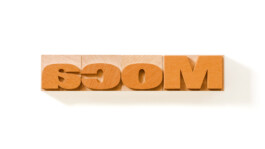
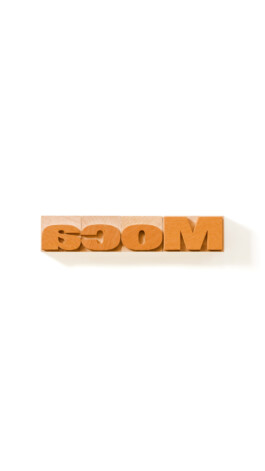
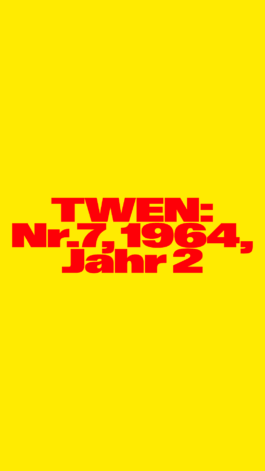
Moca revisits the monumental display faces of early twentieth-century French wood type, reformulating their physical volume within a contemporary typographic logic. Its main source is a wide-set titling alphabet known as “Série G”, issued around 1920 by Jacoby & Fils in Grenoble and the Fonderie Typographique Française. Originally designed for posters and signage, its imposing forms reflected the industrial optimism of the period: bold, heavy, direct.
Rather than a literal revival, Moca reinterprets this model with softened outlines and a more fluid rhythm, exploring how such monumental shapes could evolve for modern typography. The design tempers the physical weight of its source with rounder counters and smoother transitions, bringing warmth and tactility to an otherwise rigid genre.
While faithful to the density and presence of wood type, Moca introduces a balance of precision and softness that makes it equally suited to bold titling, editorial use, or contemporary identities. It retains the sense of impact inherent to its origins, yet feels distinctly current. A dialogue between mass and nuance, volume and light.
TYPE INFORMATION
Designer: EDITO (Alan Madić), 2020–2025
Release Year: 2025
Styles: 1 style
Formats: OTF, TTF, WOFF, WOFF2
Spacing and Kerning: Igino Marini
OPENTYPE FEATURES
Access All Alternates
Case-Sensitive Forms
Contextual Alternates
Denominators
Discretionary Ligatures
Fractions
Localized Forms
Numerators
Ordinals
Stylistic Set 1 – Alternate R
Stylistic Set 2 – Alternate a
Stylistic Set 3 – Alternate t
Stylistic Set 4 – Alternate &
Stylistic Set 5 – Thin Punctuation
Supported Languages
Abenaki, Afaan Oromo, Afar, Afrikaans, Albanian, Alsatian, Amis, Anuta, Aragonese, Aranese, Aromanian, Arrernte, Arvanitic, Asturian, Aymara, Bashkir, Basque, Bikol, Bislama, Bosnian, Breton, Cape Verdean, Catalan, Cebuano, Chamorro, Chavacano, Chickasaw, Cimbrian, Cofan, Corsican, Creek, Crimean Tatar, Croatian, Czech, Danish, Dawan, Delaware, Dholuo, Drehu, Dutch, English, Estonian, Faroese, Fijian, Filipino, Finnish, Folkspraak, French, Frisian, Friulian, Gagauz, Galician, Genoese, German, Gooniyandi, Greenlandic, Guadeloupean, Gwichin, Haitian Creole, Han, Hawaiian, Hiligaynon, Hopi, Hotcak, Hungarian, Icelandic, Ido, Ilocano, Indonesian, Interglossa, Interlingua, Irish, Istroromanian, Italian, Jamaican, Javanese, Jerriais, Kaingang, Kala Lagaw Ya, Kapampangan, Kaqchikel, Karakalpak, Karelian, Kashubian, Kikongo, Kinyarwanda, Kiribati, Kirundi, Klingon, Kurdish, Ladin, Latin, Latino Sine, Latvian, Lithuanian, Lojban, Lombard, Low Saxon, Luxembourgish, Makhuwa, Malay, Maltese, Manx, Maori, Marquesan, Meglenoromanian, Meriam Mir, Mirandese, Mohawk, Moldovan, Montagnais, Montenegrin, Murrinhpatha, Nagamese Creole, Ndebele, Neapolitan, Ngiyambaa, Niuean, Noongar, Norwegian, Novial, Occidental, Occitan, Oshiwambo, Ossetian, Palauan, Papiamento, Piedmontese, Polish, Portuguese, Potawatomi, Qeqchi, Quechua, Rarotongan, Romanian, Romansh, Rotokas, Sami Lule, Sami Southern, Samoan, Sango, Saramaccan, Sardinian, Scottish Gaelic, Serbian, Seri, Seychellois, Shawnee, Shona, Sicilian, Silesian, Slovak, Slovenian, Slovio, Somali, Sorbian Lower, Sorbian Upper, Sotho Northern, Sotho Southern, Spanish, Sranan, Sundanese, Swahili, Swazi, Swedish, Tagalog, Tahitian, Tetum, Tok Pisin, Tokelauan, Tongan, Tshiluba, Tsonga, Tswana, Tumbuka, Turkish, Turkmen, Tuvaluan, Tzotzil, Ukrainian, Uzbek, Venetian, Vepsian, Volapuk, Voro, Wallisian, Walloon, Waraywaray, Warlpiri, Wayuu, Welsh, Wikmungkan, Wiradjuri, Xavante, Xhosa, Yapese, Yindjibarndi, Zapotec, Zulu, Zuni.


Alternate R
Alternate t
Alternate a
Alternate &
Thin Punctuation
Thin Punctuation
Moca revisits the monumental display faces of early twentieth-century French wood type, reformulating their physical volume within a contemporary typographic logic. Its main source is a wide-set titling alphabet known as “Série G”, issued around 1920 by Jacoby & Fils in Grenoble and the Fonderie Typographique Française. Originally designed for posters and signage, its imposing forms reflected the industrial optimism of the period: bold, heavy, direct.
Rather than a literal revival, Moca reinterprets this model with softened outlines and a more fluid rhythm, exploring how such monumental shapes could evolve for modern typography. The design tempers the physical weight of its source with rounder counters and smoother transitions, bringing warmth and tactility to an otherwise rigid genre.
While faithful to the density and presence of wood type, Moca introduces a balance of precision and softness that makes it equally suited to bold titling, editorial use, or contemporary identities. It retains the sense of impact inherent to its origins, yet feels distinctly current. A dialogue between mass and nuance, volume and light.
TYPE INFORMATION
Designer: EDITO (Alan Madić), 2020–2025
Release Year: 2025
Styles: 1 style
Formats: OTF, TTF, WOFF, WOFF2
Spacing and Kerning: Igino Marini
OPENTYPE FEATURES
Access All Alternates
Case-Sensitive Forms
Contextual Alternates
Denominators
Discretionary Ligatures
Fractions
Localized Forms
Numerators
Ordinals
Stylistic Set 1 – Alternate R
Stylistic Set 2 – Alternate a
Stylistic Set 3 – Alternate t
Stylistic Set 4 – Alternate &
Stylistic Set 5 – Thin Punctuation
SUPPORTED LANGUAGES
Abenaki, Afaan Oromo, Afar, Afrikaans, Albanian, Alsatian, Amis, Anuta, Aragonese, Aranese, Aromanian, Arrernte, Arvanitic, Asturian, Aymara, Bashkir, Basque, Bikol, Bislama, Bosnian, Breton, Cape Verdean, Catalan, Cebuano, Chamorro, Chavacano, Chickasaw, Cimbrian, Cofan, Corsican, Creek, Crimean Tatar, Croatian, Czech, Danish, Dawan, Delaware, Dholuo, Drehu, Dutch, English, Estonian, Faroese, Fijian, Filipino, Finnish, Folkspraak, French, Frisian, Friulian, Gagauz, Galician, Genoese, German, Gooniyandi, Greenlandic, Guadeloupean, Gwichin, Haitian Creole, Han, Hawaiian, Hiligaynon, Hopi, Hotcak, Hungarian, Icelandic, Ido, Ilocano, Indonesian, Interglossa, Interlingua, Irish, Istroromanian, Italian, Jamaican, Javanese, Jerriais, Kaingang, Kala Lagaw Ya, Kapampangan, Kaqchikel, Karakalpak, Karelian, Kashubian, Kikongo, Kinyarwanda, Kiribati, Kirundi, Klingon, Kurdish, Ladin, Latin, Latino Sine, Latvian, Lithuanian, Lojban, Lombard, Low Saxon, Luxembourgish, Makhuwa, Malay, Maltese, Manx, Maori, Marquesan, Meglenoromanian, Meriam Mir, Mirandese, Mohawk, Moldovan, Montagnais, Montenegrin, Murrinhpatha, Nagamese Creole, Ndebele, Neapolitan, Ngiyambaa, Niuean, Noongar, Norwegian, Novial, Occidental, Occitan, Oshiwambo, Ossetian, Palauan, Papiamento, Piedmontese, Polish, Portuguese, Potawatomi, Qeqchi, Quechua, Rarotongan, Romanian, Romansh, Rotokas, Sami Lule, Sami Southern, Samoan, Sango, Saramaccan, Sardinian, Scottish Gaelic, Serbian, Seri, Seychellois, Shawnee, Shona, Sicilian, Silesian, Slovak, Slovenian, Slovio, Somali, Sorbian Lower, Sorbian Upper, Sotho Northern, Sotho Southern, Spanish, Sranan, Sundanese, Swahili, Swazi, Swedish, Tagalog, Tahitian, Tetum, Tok Pisin, Tokelauan, Tongan, Tshiluba, Tsonga, Tswana, Tumbuka, Turkish, Turkmen, Tuvaluan, Tzotzil, Ukrainian, Uzbek, Venetian, Vepsian, Volapuk, Voro, Wallisian, Walloon, Waraywaray, Warlpiri, Wayuu, Welsh, Wikmungkan, Wiradjuri, Xavante, Xhosa, Yapese, Yindjibarndi, Zapotec, Zulu, Zuni.
© Edito 2026