


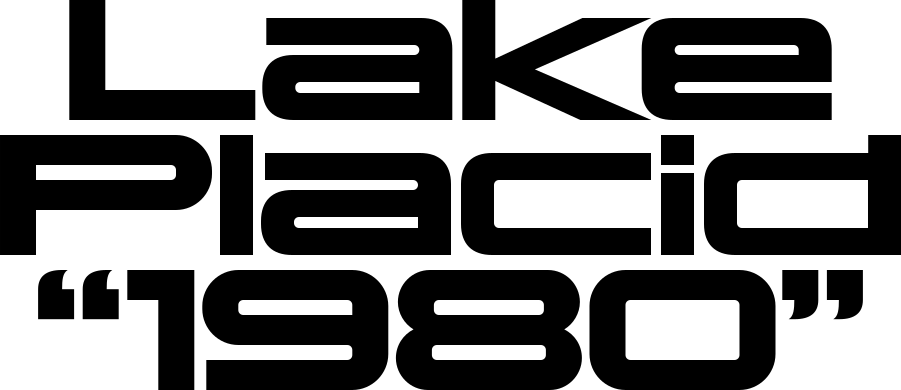



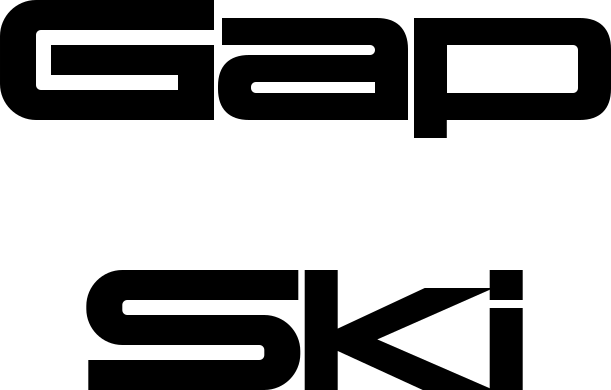





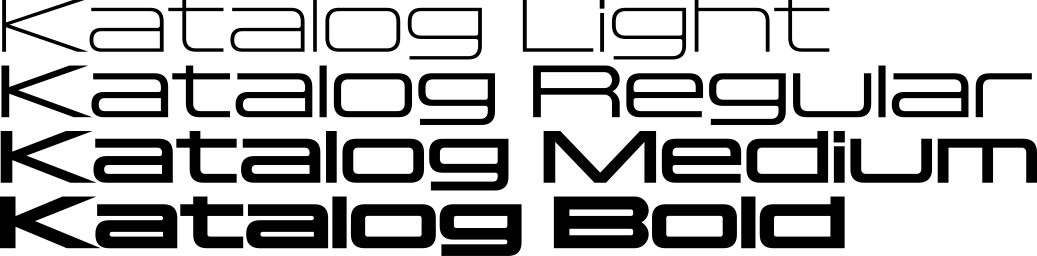
Katalog reexamines the mid-century Swiss display tradition through a more compact, expressive lens, drawing from Zürich by Alex Stocker and Hans Gruber (Lettera, 1954). It recalibrates the proportions of the original model with shortened capitals and a tighter rhythm that emphasizes horizontal flow. Originally issued as a single bold style, the design has been expanded into four weights (Light, Regular, Medium, and Bold), broadening its headline scope.
While rooted in the rational structures of 1950s Swiss lettering, Katalog also draws from the typographic vernacular of industrial signage and storefronts once common across Switzerland. Its geometry carries subtle traces of late-modernist models from the 1950s to the 1970s.
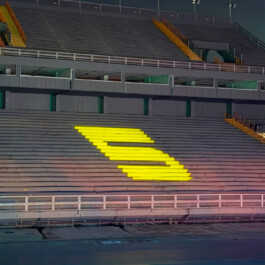
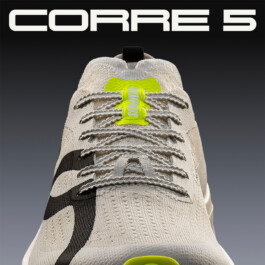
Beyond its origins, Katalog connects to the graphic energy of 1980s sport: bold, functional, and built for visibility. Designed for large-scale use, it retains the clarity and strength that make it equally at home in contemporary publications and large-format typography.
TYPE INFORMATION
Designer: Alan Madić, 2021–2025
Release Year: 2025
Styles: 4 styles
Formats: OTF, WOFF, WOFF2
OPENTYPE FEATURES
Access All Alternates
Case-Sensitive Forms
Contextual Alternates
Discretionary Ligatures
Localized Forms
Stylistic Set 1 – Alternate G
Stylistic Set 2 – Alternate Q
Stylistic Set 3 – Alternate a
Stylistic Set 4 – Alternate 1
Supported Languages
Abenaki, Afaan Oromo, Afar, Afrikaans, Albanian, Alsatian, Amis, Anuta, Aragonese, Aranese, Aromanian, Arrernte, Arvanitic, Asturian, Aymara, Bashkir, Basque, Bikol, Bislama, Bosnian, Breton, Cape Verdean, Catalan, Cebuano, Chamorro, Chavacano, Chickasaw, Cimbrian, Cofan, Corsican, Creek, Crimean Tatar, Croatian, Czech, Danish, Dawan, Delaware, Dholuo, Drehu, Dutch, English, Estonian, Faroese, Fijian, Filipino, Finnish, Folkspraak, French, Frisian, Friulian, Gagauz, Galician, Genoese, German, Gooniyandi, Greenlandic, Guadeloupean, Gwichin, Haitian Creole, Han, Hawaiian, Hiligaynon, Hopi, Hotcak, Hungarian, Icelandic, Ido, Ilocano, Indonesian, Interglossa, Interlingua, Irish, Istroromanian, Italian, Jamaican, Javanese, Jerriais, Kaingang, Kala Lagaw Ya, Kapampangan, Kaqchikel, Karakalpak, Karelian, Kashubian, Kikongo, Kinyarwanda, Kiribati, Kirundi, Klingon, Kurdish, Ladin, Latin, Latino Sine, Latvian, Lithuanian, Lojban, Lombard, Low Saxon, Luxembourgish, Makhuwa, Malay, Maltese, Manx, Maori, Marquesan, Meglenoromanian, Meriam Mir, Mirandese, Mohawk, Moldovan, Montagnais, Montenegrin, Murrinhpatha, Nagamese Creole, Ndebele, Neapolitan, Ngiyambaa, Niuean, Noongar, Norwegian, Novial, Occidental, Occitan, Oshiwambo, Ossetian, Palauan, Papiamento, Piedmontese, Polish, Portuguese, Potawatomi, Qeqchi, Quechua, Rarotongan, Romanian, Romansh, Rotokas, Sami Lule, Sami Southern, Samoan, Sango, Saramaccan, Sardinian, Scottish Gaelic, Serbian, Seri, Seychellois, Shawnee, Shona, Sicilian, Silesian, Slovak, Slovenian, Slovio, Somali, Sorbian Lower, Sorbian Upper, Sotho Northern, Sotho Southern, Spanish, Sranan, Sundanese, Swahili, Swazi, Swedish, Tagalog, Tahitian, Tetum, Tok Pisin, Tokelauan, Tongan, Tshiluba, Tsonga, Tswana, Tumbuka, Turkish, Turkmen, Tuvaluan, Tzotzil, Ukrainian, Uzbek, Venetian, Vepsian, Volapuk, Voro, Wallisian, Walloon, Waraywaray, Warlpiri, Wayuu, Welsh, Wikmungkan, Wiradjuri, Xavante, Xhosa, Yapese, Yindjibarndi, Zapotec, Zulu, Zuni.

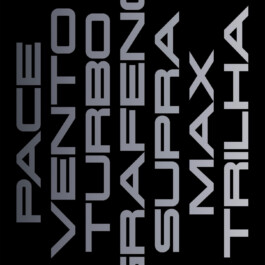
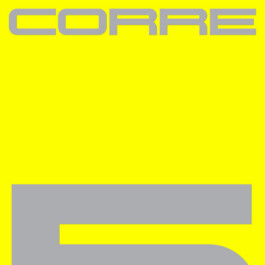

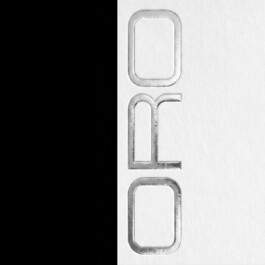


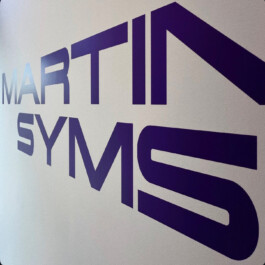



Katalog reexamines the mid-century Swiss display tradition through a more compact, expressive lens, drawing from Zürich by Alex Stocker and Hans Gruber (Lettera, 1954). It recalibrates the proportions of the original model with shortened capitals and a tighter rhythm that emphasizes horizontal flow. Originally issued as a single bold style, the design has been expanded into four weights (Light, Regular, Medium, and Bold), broadening its headline scope.
While rooted in the rational structures of 1950s Swiss lettering, Katalog also draws from the typographic vernacular of industrial signage and storefronts once common across Switzerland. Its geometry carries subtle traces of late-modernist models from the 1950s to the 1970s.
Beyond its origins, Katalog connects to the graphic energy of 1980s sport: bold, functional, and built for visibility. Designed for large-scale use, it retains the clarity and strength that make it equally at home in contemporary publications and large-format typography.


