INITIALE
Sharp Set
Sharp Set
Alternate 4
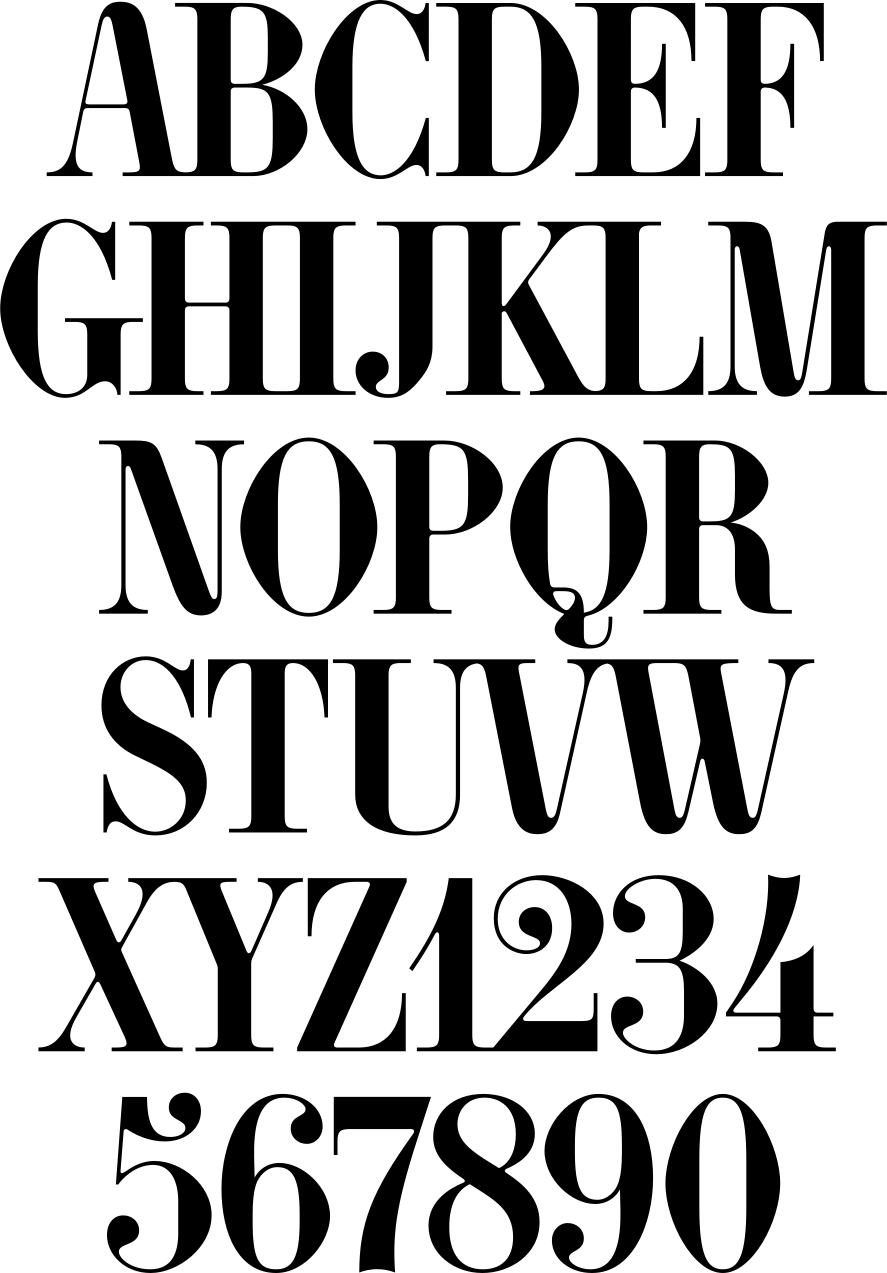
Initiale, a titling typeface revisiting the didone through a generous lens, with an incisive, robust presence.
Condensed and precise, it carries the clarity and authority of didone structures while shifting them toward a more grounded and contemporary tone. Its construction relies on controlled proportions, reinforced into solid shapes and punctuated by subtle irregularities that introduce tension and character.
Initiale operates through density, proximity, and rhythm. It forms compact typographic blocks where words hold together as cohesive units and expression emerges as much from compression as from form.
The project originates from a fragmented didone from the 1920s by G. Peignot & Fils, initially limited to a set of capitals, numerals and signs. Rather than reconstructing the original, Initiale reconsiders its foundations through a broader set of references, informed by typographic practices spanning several decades and reinterpreted within a contemporary context.
The design preserves the measured rhythm and structural clarity of its source while amplifying its singularities. Contrast has been slightly softened and the drawing made more incisive, giving the typeface a stronger, more grounded tone.
The introduction of lowercase extends this approach. Informed by tightly set editorial compositions of the 1960s and 70s, the typeface embraces compression as a design principle, constructing dense, almost architectural surfaces where rhythm builds through repetition and tension across the line.
Punctuation and signs play an active role in this system. Enlarged periods, expressive quotation marks and articulated symbols introduce pacing and emphasis, reinforcing its editorial voice.
The result is a typeface rooted in editorial traditions yet shaped by later influences, bringing a distinct sense of rhythm, emphasis and voice on the page.
TYPE INFORMATION
Designers: Clara Dousson, Alan Madić, 2024–2026
Release Year: 2026
Styles: 1 style
Formats: OTF, WOFF, WOFF2
Production: EDITO
Consulting: Adrien Vasquez
OPENTYPE FEATURES
Access All Alternates
Case-Sensitive Forms
Discretionary Ligatures
Localized Forms
Stylistic Set 1 – Sharp Set
Stylistic Set 2 – Alternate 4
SUPPORTED LANGUAGES
Abenaki, Afaan Oromo, Afar, Afrikaans, Albanian, Alsatian, Amis, Anuta, Aragonese, Aranese, Aromanian, Arrernte, Arvanitic, Asturian, Aymara, Bashkir, Basque, Bikol, Bislama, Bosnian, Breton, Cape Verdean, Catalan, Cebuano, Chamorro, Chavacano, Chickasaw, Cimbrian, Cofan, Corsican, Creek, Crimean Tatar, Croatian, Czech, Danish, Dawan, Delaware, Dholuo, Drehu, Dutch, English, Estonian, Faroese, Fijian, Filipino, Finnish, Folkspraak, French, Frisian, Friulian, Gagauz, Galician, Genoese, German, Gooniyandi, Greenlandic, Guadeloupean, Gwichin, Haitian Creole, Han, Hawaiian, Hiligaynon, Hopi, Hotcak, Hungarian, Icelandic, Ido, Ilocano, Indonesian, Interglossa, Interlingua, Irish, Istroromanian, Italian, Jamaican, Javanese, Jerriais, Kaingang, Kala Lagaw Ya, Kapampangan, Kaqchikel, Karakalpak, Karelian, Kashubian, Kikongo, Kinyarwanda, Kiribati, Kirundi, Klingon, Kurdish, Ladin, Latin, Latino Sine, Latvian, Lithuanian, Lojban, Lombard, Low Saxon, Luxembourgish, Makhuwa, Malay, Maltese, Manx, Maori, Marquesan, Meglenoromanian, Meriam Mir, Mirandese, Mohawk, Moldovan, Montagnais, Montenegrin, Murrinhpatha, Nagamese Creole, Ndebele, Neapolitan, Ngiyambaa, Niuean, Noongar, Norwegian, Novial, Occidental, Occitan, Oshiwambo, Ossetian, Palauan, Papiamento, Piedmontese, Polish, Portuguese, Potawatomi, Qeqchi, Quechua, Rarotongan, Romanian, Romansh, Rotokas, Sami Lule, Sami Southern, Samoan, Sango, Saramaccan, Sardinian, Scottish Gaelic, Serbian, Seri, Seychellois, Shawnee, Shona, Sicilian, Silesian, Slovak, Slovenian, Slovio, Somali, Sorbian Lower, Sorbian Upper, Sotho Northern, Sotho Southern, Spanish, Sranan, Sundanese, Swahili, Swazi, Swedish, Tagalog, Tahitian, Tetum, Tok Pisin, Tokelauan, Tongan, Tshiluba, Tsonga, Tswana, Tumbuka, Turkish, Turkmen, Tuvaluan, Tzotzil, Ukrainian, Uzbek, Venetian, Vepsian, Volapuk, Voro, Wallisian, Walloon, Waraywaray, Warlpiri, Wayuu, Welsh, Wikmungkan, Wiradjuri, Xavante, Xhosa, Yapese, Yindjibarndi, Zapotec, Zulu, Zuni.
TYPEFACES
INFORMATION
LICENSING
TRIALS
Sharp Set
Sharp Set
Alternate 4
Initiale, a titling typeface revisiting the didone through a generous lens, with an incisive, robust presence.
Condensed and precise, it carries the clarity and authority of didone structures while shifting them toward a more grounded and contemporary tone. Its construction relies on controlled proportions, reinforced into solid shapes and punctuated by subtle irregularities that introduce tension and character.
Initiale operates through density, proximity, and rhythm. It forms compact typographic blocks where words hold together as cohesive units and expression emerges as much from compression as from form.
The project originates from a fragmented didone from the 1920s by G. Peignot & Fils, initially limited to a set of capitals, numerals and signs. Rather than reconstructing the original, Initiale reconsiders its foundations through a broader set of references, informed by typographic practices spanning several decades and reinterpreted within a contemporary context.
The design preserves the measured rhythm and structural clarity of its source while amplifying its singularities. Contrast has been slightly softened and the drawing made more incisive, giving the typeface a stronger, more grounded tone.
The introduction of lowercase extends this approach. Informed by tightly set editorial compositions of the 1960s and 70s, the typeface embraces compression as a design principle, constructing dense, almost architectural surfaces where rhythm builds through repetition and tension across the line.
Punctuation and signs play an active role in this system. Enlarged periods, expressive quotation marks and articulated symbols introduce pacing and emphasis, reinforcing its editorial voice.
The result is a typeface rooted in editorial traditions yet shaped by later influences, bringing a distinct sense of rhythm, emphasis and voice on the page.
TYPE INFORMATION
Designers: Clara Dousson, Alan Madić, 2024–2026
Release Year: 2026
Styles: 1 style
Formats: OTF, WOFF, WOFF2
Production: EDITO
Consulting: Adrien Vasquez
OPENTYPE FEATURES
Access All Alternates
Case-Sensitive Forms
Discretionary Ligatures
Localized Forms
Stylistic Set 1 – Sharp Set
Stylistic Set 2 – Alternate 4
SUPPORTED LANGUAGES
Abenaki, Afaan Oromo, Afar, Afrikaans, Albanian, Alsatian, Amis, Anuta, Aragonese, Aranese, Aromanian, Arrernte, Arvanitic, Asturian, Aymara, Bashkir, Basque, Bikol, Bislama, Bosnian, Breton, Cape Verdean, Catalan, Cebuano, Chamorro, Chavacano, Chickasaw, Cimbrian, Cofan, Corsican, Creek, Crimean Tatar, Croatian, Czech, Danish, Dawan, Delaware, Dholuo, Drehu, Dutch, English, Estonian, Faroese, Fijian, Filipino, Finnish, Folkspraak, French, Frisian, Friulian, Gagauz, Galician, Genoese, German, Gooniyandi, Greenlandic, Guadeloupean, Gwichin, Haitian Creole, Han, Hawaiian, Hiligaynon, Hopi, Hotcak, Hungarian, Icelandic, Ido, Ilocano, Indonesian, Interglossa, Interlingua, Irish, Istroromanian, Italian, Jamaican, Javanese, Jerriais, Kaingang, Kala Lagaw Ya, Kapampangan, Kaqchikel, Karakalpak, Karelian, Kashubian, Kikongo, Kinyarwanda, Kiribati, Kirundi, Klingon, Kurdish, Ladin, Latin, Latino Sine, Latvian, Lithuanian, Lojban, Lombard, Low Saxon, Luxembourgish, Makhuwa, Malay, Maltese, Manx, Maori, Marquesan, Meglenoromanian, Meriam Mir, Mirandese, Mohawk, Moldovan, Montagnais, Montenegrin, Murrinhpatha, Nagamese Creole, Ndebele, Neapolitan, Ngiyambaa, Niuean, Noongar, Norwegian, Novial, Occidental, Occitan, Oshiwambo, Ossetian, Palauan, Papiamento, Piedmontese, Polish, Portuguese, Potawatomi, Qeqchi, Quechua, Rarotongan, Romanian, Romansh, Rotokas, Sami Lule, Sami Southern, Samoan, Sango, Saramaccan, Sardinian, Scottish Gaelic, Serbian, Seri, Seychellois, Shawnee, Shona, Sicilian, Silesian, Slovak, Slovenian, Slovio, Somali, Sorbian Lower, Sorbian Upper, Sotho Northern, Sotho Southern, Spanish, Sranan, Sundanese, Swahili, Swazi, Swedish, Tagalog, Tahitian, Tetum, Tok Pisin, Tokelauan, Tongan, Tshiluba, Tsonga, Tswana, Tumbuka, Turkish, Turkmen, Tuvaluan, Tzotzil, Ukrainian, Uzbek, Venetian, Vepsian, Volapuk, Voro, Wallisian, Walloon, Waraywaray, Warlpiri, Wayuu, Welsh, Wikmungkan, Wiradjuri, Xavante, Xhosa, Yapese, Yindjibarndi, Zapotec, Zulu, Zuni.
TYPEFACES
INFORMATION
LICENSING
TRIALS