
ARCH

Alternate r
Alternate j
Alternate t
Alternate y
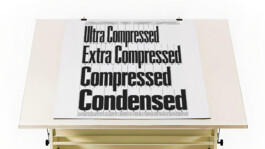
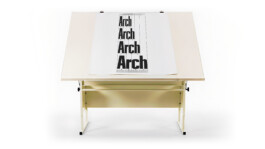
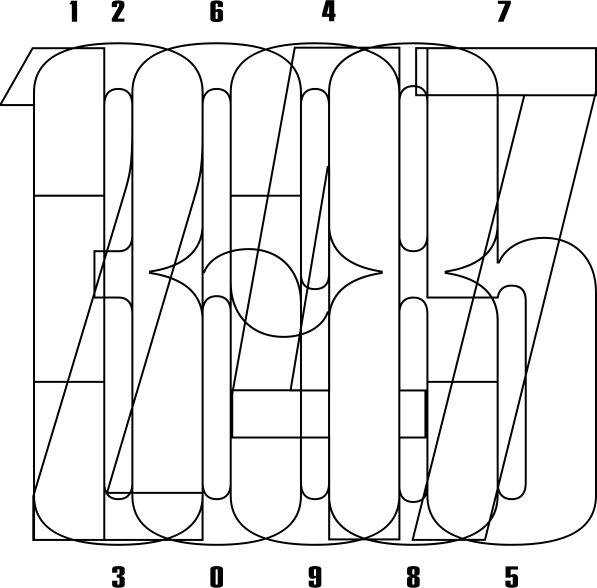
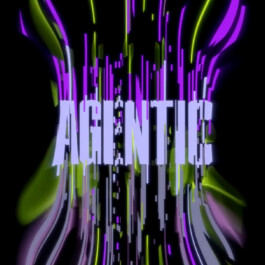
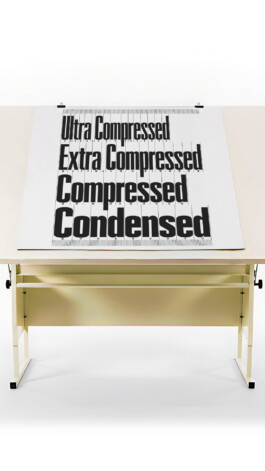
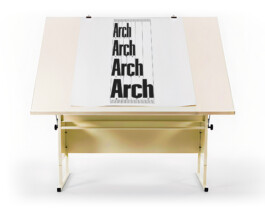
Arch, a condensed grotesque display family crystallizing the tension between structure and expression. Built upon a modular unit system, it extends the mid-century logic of rational design into a contemporary language of structure and rhythm. As our second re-evaluation of Walter Käch’s models, it draws from his condensed grotesque “Velos” Bold introduced in the late 1940s as a foundation. Each glyph is drawn within a grid regulating width, weight, and spacing across the four widths of the family; a rational foundation from which expressive forms emerge.
The unit system takes cues from the mechanical logic of the Linofilm typesetter, whose fixed spacing mechanism defined the widths and weights of early phototype families such as Helvetica Compressed (1966). By turning the mechanics of standardization into a design principle, what once arose from technical limitation becomes a deliberate method, extending Käch’s principles to form an ultimate condensed grotesque family.
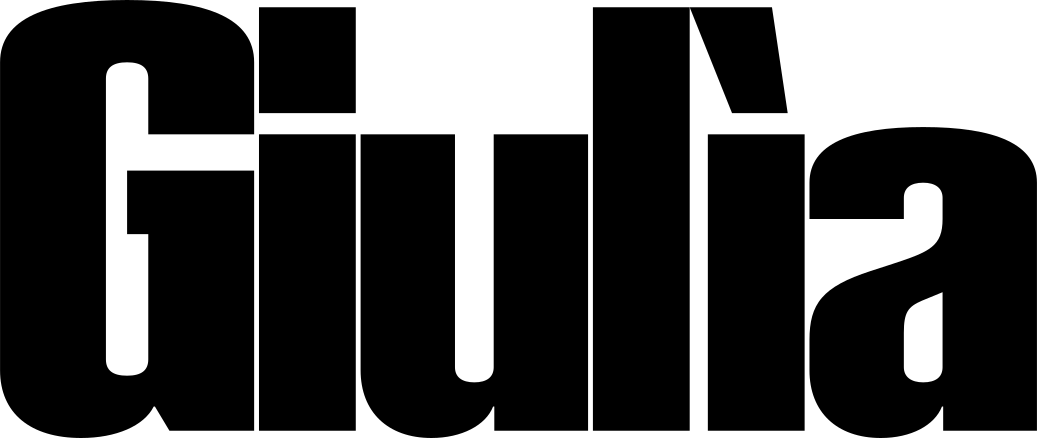
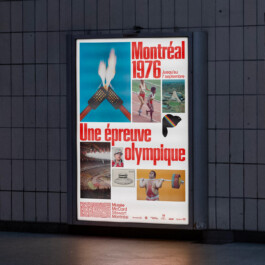
The result is a display typeface that balances structural rigor with an inherent sense of rhythm and presence. Both rational and expressive, its heightened contrast brings a quiet authority and a distinctly graphic tone to the page.
Conceived through a grid-based methodology, Arch reflects a modular approach reminiscent of architectural construction and the structural utopias of the 1960s, particularly Superstudio’s grid. It revisits a modernist pursuit of order and proportion, translating it into a typographic syntax that feels both mechanical and alive—an exploration of how form can emerge from the logic of construction itself.
[Käch’s original models were first published in 1949 in the trilingual book Schriften, Lettering, Écritures.]
TYPE INFORMATION
Designer: EDITO (Alan Madić), 2024–2025
Release Year: 2025
Styles: 4 styles
Formats: OTF, TTF, WOFF, WOFF2
Production: Solenn Bordeau
OPENTYPE FEATURES
Access All Alternates
Case-Sensitive Forms
Contextual Alternates
Discretionary Ligatures
Localized Forms
Stylistic Set 1 – Alternate j
Stylistic Set 2 – Alternate r
Stylistic Set 3 – Alternate t
Stylistic Set 4 – Alternate y
Supported Languages
Abenaki, Afaan Oromo, Afar, Afrikaans, Albanian, Alsatian, Amis, Anuta, Aragonese, Aranese, Aromanian, Arrernte, Arvanitic, Asturian, Aymara, Bashkir, Basque, Bikol, Bislama, Bosnian, Breton, Cape Verdean, Catalan, Cebuano, Chamorro, Chavacano, Chickasaw, Cimbrian, Cofan, Corsican, Creek, Crimean Tatar, Croatian, Czech, Danish, Dawan, Delaware, Dholuo, Drehu, Dutch, English, Estonian, Faroese, Fijian, Filipino, Finnish, Folkspraak, French, Frisian, Friulian, Gagauz, Galician, Genoese, German, Gooniyandi, Greenlandic, Guadeloupean, Gwichin, Haitian Creole, Han, Hawaiian, Hiligaynon, Hopi, Hotcak, Hungarian, Icelandic, Ido, Ilocano, Indonesian, Interglossa, Interlingua, Irish, Istroromanian, Italian, Jamaican, Javanese, Jerriais, Kaingang, Kala Lagaw Ya, Kapampangan, Kaqchikel, Karakalpak, Karelian, Kashubian, Kikongo, Kinyarwanda, Kiribati, Kirundi, Klingon, Kurdish, Ladin, Latin, Latino Sine, Latvian, Lithuanian, Lojban, Lombard, Low Saxon, Luxembourgish, Makhuwa, Malay, Maltese, Manx, Maori, Marquesan, Meglenoromanian, Meriam Mir, Mirandese, Mohawk, Moldovan, Montagnais, Montenegrin, Murrinhpatha, Nagamese Creole, Ndebele, Neapolitan, Ngiyambaa, Niuean, Noongar, Norwegian, Novial, Occidental, Occitan, Oshiwambo, Ossetian, Palauan, Papiamento, Piedmontese, Polish, Portuguese, Potawatomi, Qeqchi, Quechua, Rarotongan, Romanian, Romansh, Rotokas, Sami Lule, Sami Southern, Samoan, Sango, Saramaccan, Sardinian, Scottish Gaelic, Serbian, Seri, Seychellois, Shawnee, Shona, Sicilian, Silesian, Slovak, Slovenian, Slovio, Somali, Sorbian Lower, Sorbian Upper, Sotho Northern, Sotho Southern, Spanish, Sranan, Sundanese, Swahili, Swazi, Swedish, Tagalog, Tahitian, Tetum, Tok Pisin, Tokelauan, Tongan, Tshiluba, Tsonga, Tswana, Tumbuka, Turkish, Turkmen, Tuvaluan, Tzotzil, Ukrainian, Uzbek, Venetian, Vepsian, Volapuk, Voro, Wallisian, Walloon, Waraywaray, Warlpiri, Wayuu, Welsh, Wikmungkan, Wiradjuri, Xavante, Xhosa, Yapese, Yindjibarndi, Zapotec, Zulu, Zuni.


Alternate r
Alternate j
Alternate t
Alternate y
Arch, a condensed grotesque display family crystallizing the tension between structure and expression. Built upon a modular unit system, it extends the mid-century logic of rational design into a contemporary language of structure and rhythm. As our second re-evaluation of Walter Käch’s models, it draws from his condensed grotesque “Velos” Bold introduced in the late 1940s as a foundation. Each glyph is drawn within a grid regulating width, weight, and spacing across the four widths of the family; a rational foundation from which expressive forms emerge.
The unit system takes cues from the mechanical logic of the Linofilm typesetter, whose fixed spacing mechanism defined the widths and weights of early phototype families such as Helvetica Compressed (1966). By turning the mechanics of standardization into a design principle, what once arose from technical limitation becomes a deliberate method, extending Käch’s principles to form an ultimate condensed grotesque family.
The result is a display typeface that balances structural rigor with an inherent sense of rhythm and presence. Both rational and expressive, its heightened contrast brings a quiet authority and a distinctly graphic tone to the page.
Conceived through a grid-based methodology, Arch reflects a modular approach reminiscent of architectural construction and the structural utopias of the 1960s, particularly Superstudio’s grid. It revisits a modernist pursuit of order and proportion, translating it into a typographic syntax that feels both mechanical and alive—an exploration of how form can emerge from the logic of construction itself.
[Käch’s original models were first published in 1949 in the trilingual book Schriften, Lettering, Écritures.]
TYPE INFORMATION
Designer: EDITO (Alan Madić), 2024–2025
Release Year: 2025
Styles: 4 styles
Formats: OTF, TTF, WOFF, WOFF2
Production: Solenn Bordeau
OPENTYPE FEATURES
Access All Alternates
Case-Sensitive Forms
Contextual Alternates
Discretionary Ligatures
Localized Forms
Stylistic Set 1 – Alternate j
Stylistic Set 2 – Alternate r
Stylistic Set 3 – Alternate t
Stylistic Set 4 – Alternate y
SUPPORTED LANGUAGES
Abenaki, Afaan Oromo, Afar, Afrikaans, Albanian, Alsatian, Amis, Anuta, Aragonese, Aranese, Aromanian, Arrernte, Arvanitic, Asturian, Aymara, Bashkir, Basque, Bikol, Bislama, Bosnian, Breton, Cape Verdean, Catalan, Cebuano, Chamorro, Chavacano, Chickasaw, Cimbrian, Cofan, Corsican, Creek, Crimean Tatar, Croatian, Czech, Danish, Dawan, Delaware, Dholuo, Drehu, Dutch, English, Estonian, Faroese, Fijian, Filipino, Finnish, Folkspraak, French, Frisian, Friulian, Gagauz, Galician, Genoese, German, Gooniyandi, Greenlandic, Guadeloupean, Gwichin, Haitian Creole, Han, Hawaiian, Hiligaynon, Hopi, Hotcak, Hungarian, Icelandic, Ido, Ilocano, Indonesian, Interglossa, Interlingua, Irish, Istroromanian, Italian, Jamaican, Javanese, Jerriais, Kaingang, Kala Lagaw Ya, Kapampangan, Kaqchikel, Karakalpak, Karelian, Kashubian, Kikongo, Kinyarwanda, Kiribati, Kirundi, Klingon, Kurdish, Ladin, Latin, Latino Sine, Latvian, Lithuanian, Lojban, Lombard, Low Saxon, Luxembourgish, Makhuwa, Malay, Maltese, Manx, Maori, Marquesan, Meglenoromanian, Meriam Mir, Mirandese, Mohawk, Moldovan, Montagnais, Montenegrin, Murrinhpatha, Nagamese Creole, Ndebele, Neapolitan, Ngiyambaa, Niuean, Noongar, Norwegian, Novial, Occidental, Occitan, Oshiwambo, Ossetian, Palauan, Papiamento, Piedmontese, Polish, Portuguese, Potawatomi, Qeqchi, Quechua, Rarotongan, Romanian, Romansh, Rotokas, Sami Lule, Sami Southern, Samoan, Sango, Saramaccan, Sardinian, Scottish Gaelic, Serbian, Seri, Seychellois, Shawnee, Shona, Sicilian, Silesian, Slovak, Slovenian, Slovio, Somali, Sorbian Lower, Sorbian Upper, Sotho Northern, Sotho Southern, Spanish, Sranan, Sundanese, Swahili, Swazi, Swedish, Tagalog, Tahitian, Tetum, Tok Pisin, Tokelauan, Tongan, Tshiluba, Tsonga, Tswana, Tumbuka, Turkish, Turkmen, Tuvaluan, Tzotzil, Ukrainian, Uzbek, Venetian, Vepsian, Volapuk, Voro, Wallisian, Walloon, Waraywaray, Warlpiri, Wayuu, Welsh, Wikmungkan, Wiradjuri, Xavante, Xhosa, Yapese, Yindjibarndi, Zapotec, Zulu, Zuni.
© Edito 2026